

You choose a dating profile photo, look at it one more time, and suddenly notice everything you wish were different. Later, a quiet inbox can make those doubts seem like a verdict.
Dating can bring appearance worries into unusually sharp focus. For queer adults, body comparison may also intersect with expectations about gender, masculinity, race and who gets treated as desirable.
If those doubts stay with you after you close the app, the harder question may be why someone else's interest has begun to feel like proof that you're good enough.
Why a profile photo can feel like a verdict
A dating profile shows only a fraction of a person, yet it can feel as though that fraction is being judged as the whole. You might choose the most flattering angle, hesitate over a full-body photo or wonder whether the person meeting you will think you look different in real life.
A match isn't an objective assessment of attractiveness. People respond to photographs through their own preferences, assumptions and circumstances. A profile cannot convey everything that makes someone interesting, compatible or appealing in person.
For some queer and trans people, a photo can invite assumptions about gender, race or body size before a conversation begins. Ordinary uncertainty can then feel deeply personal.
Attraction and self-worth are not the same measure
Attraction matters in dating. It would be unrealistic to suggest that appearance should play no role in romantic or sexual interest. But being attractive to one person and being valuable as a person are entirely different things.
Someone may find you appealing without being compatible with you. Another person may feel no romantic attraction while still recognizing your kindness, humour and humanity. Neither response determines your worth.
Rejection can blur that distinction. “Perhaps we weren’t a match” can quickly become “Something about my body must be wrong.”
Queer Joy Therapy's reflection on queer-affirming body image support explores how external scrutiny can become internal self-criticism, and why self-compassion matters beyond appearance.
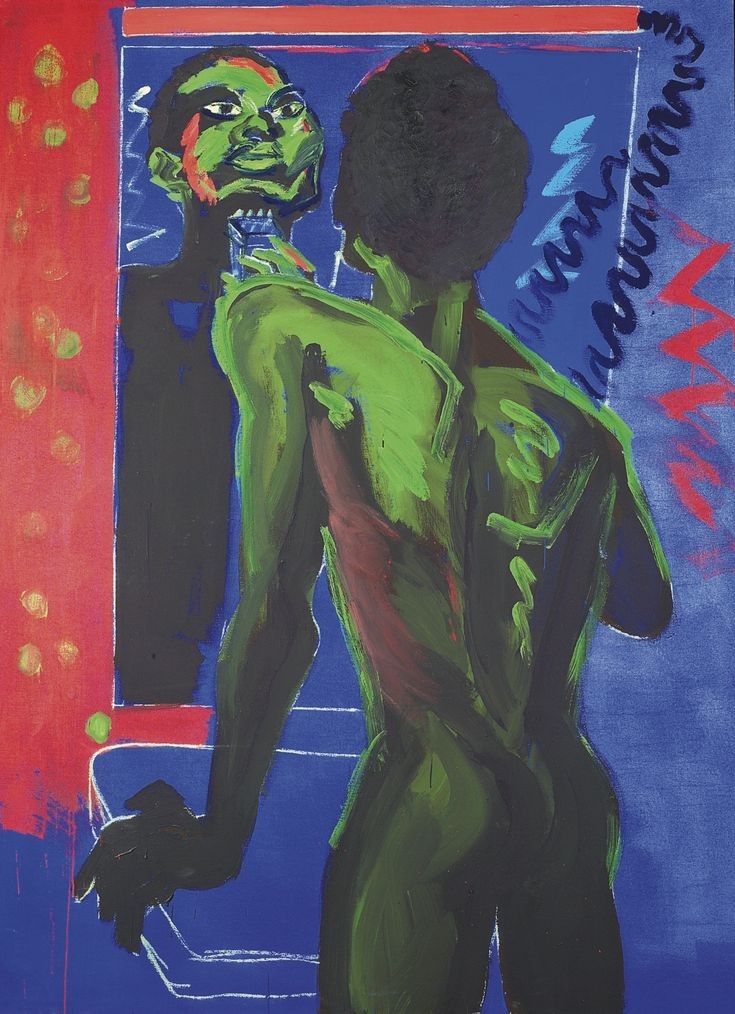
Where desirability pressure shows up in dating
Appearance pressure doesn't always arrive as a direct comment. Sometimes it's noticing which photographs get attention, which body types appear repeatedly in profiles or whose desirability seems to be taken for granted.
These patterns are sometimes discussed as desirability politics: the ways social expectations and power shape who is treated as attractive. In queer dating spaces, those expectations can intersect with racism, fatphobia, ableism, ageism and restrictive ideas about gender expression.
A gay man might feel expected to look more muscular or masculine. A trans person might be wary of someone reducing them to assumptions about their body. Someone outside a narrow beauty ideal may wonder whether they'll even be given a chance to connect.
Queer communities aren't uniform, and attraction is personal. Still, it's worth asking whether you're following your own desires or trying to become what you imagine others want.
You can want to be desired without making someone else's desire the measure of your worth.
What comparison does to attention and behaviour
After scrolling through profiles featuring a particular body type, you might start examining your own photos, clothing or reflection more critically. Details that previously seemed unremarkable become hard to ignore.
Comparison can follow you into a date, too. Instead of noticing whether you enjoy the conversation, you may be wondering how your shirt fits, how you look from the side or whether the other person has noticed a feature you dislike.
It can change behaviour, too: postponing a date until you look “better,” or staying in an uncomfortable conversation because attention feels scarce. These aren’t diagnoses, but they may be worth noticing.
If comparison also affects how you think about food or exercise, the site’s article on body liberation and intuitive eating explores that related pressure.
Gentle ways to keep your limits and preferences
Dating with self-respect means letting your preferences and boundaries matter alongside someone else’s interest.
You can enjoy taking a photograph that makes you feel attractive without treating every picture as a test. You can want physical chemistry while declining comments that reduce you to a body type. You can also leave a conversation when the attention you're receiving doesn't feel respectful.
On apps, share only what feels comfortable. If browsing leaves you preoccupied with comparison, you can change when or how often you open the app. You don’t owe anyone unlimited access to your time or body.
Instead of asking only “Will they choose me?” you can also ask “Do I enjoy how this person treats me?”
How to notice when pressure follows you offline
Notice whether appearance worries stay within dating or begin shaping the rest of your day. Perhaps every outfit seems wrong, an unanswered message changes your mood at work, or someone’s preferences stay with you at a social gathering.
Intimacy can bring another layer. It may be difficult to enjoy physical closeness when attention stays fixed on how your body looks rather than what you're experiencing.
There isn't a universal threshold that determines when these experiences deserve support. It is worth noticing whether appearance concerns are narrowing your choices, interrupting enjoyment or making ordinary situations increasingly uncomfortable.
The goal doesn't need to be unshakable confidence. More freedom to participate in your life without constantly monitoring your appearance is a meaningful question in its own right.
A supported next step for body image concerns
Dating advice may help with profiles or conversations, but it doesn’t necessarily explain why being accepted or rejected carries so much emotional weight.
Body-image support asks different questions: where did these appearance expectations come from, how do they intersect with queer identity, and what happens when other people's preferences begin shaping your relationship with yourself?
If you're considering a body image therapist in Toronto, fit matters. You might ask how a practitioner approaches queer relationships, body shame, discrimination and consent, and whether their responses make room for your particular experiences.
You needn't decide immediately whether support fits. Start with a question about your boundaries, fear of rejection or the sense that your body is constantly being judged.
Frequently Asked Questions
Why does my body image worsen on dating apps?
Dating apps place photographs and brief signs of interest at the centre of interaction. If appearance judgment already feels sensitive, swiping and uncertain replies can intensify comparison. That doesn't mean every silence reflects how you look.
Is there a way to date without focusing on looks?
Appearance can remain part of attraction without being your only point of reference. Conversation, compatibility, mutual respect and emotional comfort offer other ways to decide whether a connection feels right.
How is body-image support different from dating advice?
Dating advice generally focuses on what to do while meeting people. Body-image support explores how appearance beliefs, shame and self-worth shape your experiences, including when you're not actively dating.
This article is educational and does not replace individualized mental health support.

