On Queer Body Image, Shame, and Self-Compassion
A therapist's reflection on body dysmorphia in the 2SLGBTQIA+ community — how difference becomes self-punishment, and how self-compassion can become the path back to the body.
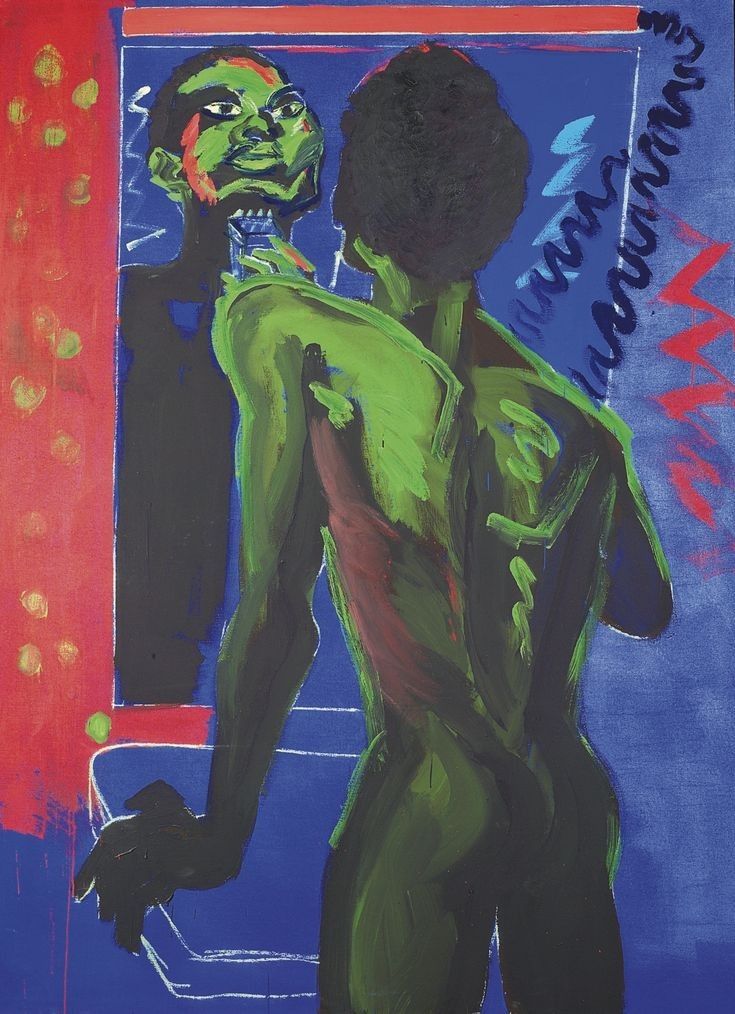
Coming Home to the Body

There is a particular kind of loneliness that comes from feeling like a stranger in your own skin. For many queer and trans people, this isn't a passing feeling — it's a long relationship, one that often starts early and quietly, long before we have language for what's happening.
As a therapist working with 2SLGBTQIA+ clients, I see this constantly: bright, thoughtful, deeply caring people who nonetheless treat their own bodies as a problem to be managed, hidden, or corrected. Body dysmorphia shows up often in our community — and it rarely shows up alone. It arrives with shame, with hypervigilance, with a low hum of "something is wrong with me" that can be hard to trace back to its source.
Why Body Image Hits Differently for Queer People
A lot of body dysmorphia in queer communities isn't really about the body at all — not at first. It's about difference.
From a young age, many of us learn that we are not like the others. Maybe it's the way we move, the way we speak, who we're drawn to, or how we want to be seen. That sense of difference doesn't stay abstract for long. It settles into the body, because the body is where we're first read, judged, and — too often — punished.
Gender expression, in particular, can become one of the most direct sites of violence a queer or trans person experiences. A body that doesn't conform, a voice that doesn't match expectations, a way of dressing or moving that draws stares or comments — these become the flashpoints where the outside world's discomfort turns into something we're asked to carry. Over time, that external scrutiny doesn't just come from other people. We internalize it. We start doing the surveillance ourselves.
When the Body Becomes the Only Thing We Can Control
I want to share something from my own process, because I think it's more common than we admit.
For a lot of us, especially those of us who felt unsafe or unseen as children, the body — and what we do with food, exercise, and appearance — can become one of the only domains that feels like ours to control. When so much else about being queer feels precarious, unpredictable, or unwelcome, the body can start to hold all of that anxiety. It becomes the place where we try to earn safety, approval, or a sense of being "enough."
That's not weakness. It's an adaptation. A child (or a younger self) reaching for the one lever that seems to move.
The trouble is that this kind of control is really self-punishment wearing the mask of discipline. It doesn't heal the original wound — the feeling of being different, unsafe, or not-enough. It just gives that wound a new home in the body.
The Paradox of Healing: Acceptance Before Change
Here is the part that surprised me most in my own healing, and that I now see echoed again and again in the people I work with: recovery doesn't come from finally getting the body "right." It comes from turning toward the internalized scrutiny itself — the inner voice doing the surveilling — with curiosity and compassion, instead of trying to out-discipline it.
And here's the paradox: it was only when I truly committed to loving and accepting my body as it already was — not as a future project, not as something to fix — that caring for it actually got easier. Eating, moving, resting stopped being battlegrounds and started being acts of care. Not because I'd earned it, but because I'd stopped treating my body as the enemy.
Self-compassion didn't make me complacent. It made me capable of actually listening to what my body needed — nourishment, movement, rest — instead of what my shame demanded.
Slowly, my body started to feel less like a site of judgment and more like home.
You're Not Alone in This
If any of this resonates, I want you to know: this pattern is not a personal failure, and it's not something you have to untangle alone. Body image struggles in queer and trans communities are shaped by real experiences of minority stress, discrimination, and the ways our bodies have been made unsafe by others. Healing is possible, and it often starts with the same paradox I found — meeting yourself with compassion first, not as a reward for change, but as the ground that makes change possible.
At Queer Joy Therapy, we offer trauma-informed, somatic, and community-centred support for 2SLGBTQIA+ individuals navigating body image, gender expression, and the internalized shame that so often accompanies both. Whether through individual therapy or our workshops for organizations and care teams, our work is rooted in helping people come back home to themselves — bodies included.
If you're ready to explore this work, reach out to Queer Joy Therapy to learn more about individual sessions and upcoming workshops.

