Quiet the Spiral, Start the Day Steady: Queer-Affirming Anxiety Support in Toronto
Quiet the spiral, start your day steady—this in-depth guide explores queer-affirming anxiety support with a cinematic, practical lens. It covers how anxiety spirals form in the mind–body loop, why minority stress can intensify symptoms, and what evidence-informed tools can bring steadier mornings. The article also shares realistic routines, fit considerations for therapy formats and modalities, and a detailed FAQ to support clear decision-making. Designed for readability and SEO, it includes image ideas and actionable steps that support calm, consistent progress.
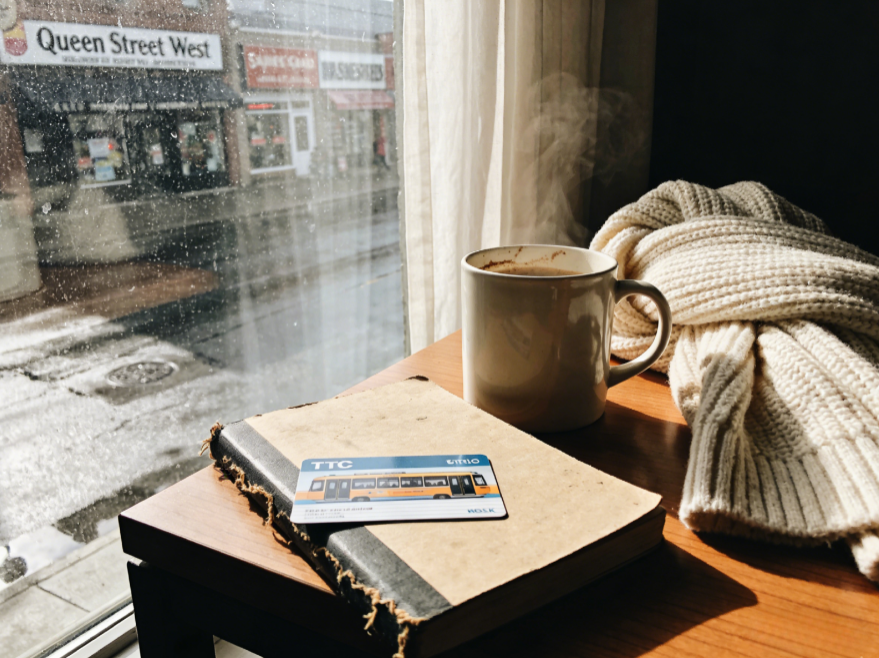
Toronto Queer Therapy: Anxiety Help to Quiet the Spiral

At times, anxiety can feel like a fast-moving loop that grabs the mind and body at once. Moreover, that loop often shows up right when the day begins, when decisions stack up quickly. In that moment, steady support matters, especially when safety, identity, and belonging shape how stress lands. Toronto Queer Therapy can offer a grounded, queer-affirming space where anxiety is treated with skill and care, not judgment. In other words, the goal is not to “power through.” Instead, the goal is to quiet the spiral and build steadier starts.
Why anxiety spirals can feel louder in queer lives
First, anxiety is not only “in the head.” It is also a nervous-system response shaped by context, history, and current demands. Consequently, the same work deadline can feel very different depending on safety, identity stress, and social support. In queer communities, anxiety often carries extra layers that deserve clear naming.
In many cases, minority stress adds a constant background load. For example, microaggressions, misgendering, or being treated as “a debate topic” can raise baseline tension. Meanwhile, the body may stay in a semi-alert state, scanning for the next moment of discomfort. Over time, that hypervigilance can mimic “general anxiety,” even when the root is relational and structural.
At the same time, uncertainty can hit harder when belonging feels conditional. For instance, a person may feel safe with friends but tense around coworkers. Additionally, family contact can bring a mix of love, grief, and pressure. When mixed signals appear, the brain often tries to predict outcomes, and that prediction habit can become a spiral.
Importantly, queer anxiety can show up through the body in specific ways. For example, a tight chest, shaky hands, nausea, or jaw clenching can become familiar morning signals. Likewise, sleep can turn light and fragmented, which then fuels more anxiety the next day. As a result, the spiral can feel self-reinforcing, even when nothing “big” happened overnight.
Also, shame can quietly feed anxious loops. In queer and trans lives, shame often comes from old messages about being “too much,” “not enough,” or “unsafe to be seen.” Furthermore, shame rarely stays only in thoughts; it can change posture, breathing, and voice. When shame is present, anxiety often follows close behind.
Notably, perfectionism can become a survival strategy. For example, some people learn to anticipate criticism by being exceptionally prepared. However, constant preparation can become exhausting, and the mind may interpret rest as risky. Over time, the nervous system can treat ordinary mistakes as threats, which can intensify spirals.
Finally, identity exploration itself can bring uncertainty that is not pathological. For instance, questioning labels, changing pronouns, or renegotiating relationships can be meaningful and healthy. Still, change uses energy, and energy limits can bring anxious symptoms. Therefore, anxiety support that respects identity development tends to be more effective and less alienating.
What queer-affirming therapy adds to anxiety care
Generally, anxiety treatment works best when it is both practical and context-aware. In queer-affirming therapy, skills are taught while identity is respected as real, complex, and valid. As a result, the work often feels less like “fixing a person” and more like strengthening a system.
To begin with, an affirming approach reduces the need to educate the therapist about queer life basics. Consequently, session time can focus on patterns, triggers, and strategies instead of repeated explanations. Additionally, that reduction in “translation work” can itself lower anxiety, because it removes one more social risk.
Equally important, queer-affirming care treats safety as a clinical factor, not an afterthought. For example, anxiety around public spaces may relate to harassment history, not “irrational fear.” Similarly, anxiety about medical settings may connect to past dismissal or discrimination. When those factors are honored, tools can be chosen more accurately.
Moreover, an affirming lens supports intersectional understanding. For instance, race, disability, immigration status, faith background, and class can shape how anxiety presents. Meanwhile, gender expression and relationship structures can affect daily stressors. Therefore, treatment planning becomes more personalized and more realistic.
In practice, queer-affirming therapy often supports “both-and” truths. For example, someone can love a partner and still feel anxious about attachment. Likewise, someone can feel proud and still feel grief about losses. By allowing layered feelings, therapy can reduce the urge to suppress emotions, which often increases spirals.
Also, affirming care can address internalized stress without blaming. In other words, internalized homophobia or transphobia is treated as learned conditioning, not a moral failing. Consequently, therapy can focus on unlearning patterns, rebuilding self-trust, and strengthening boundaries. Over time, anxiety tends to soften when self-rejection reduces.
Finally, a values-based frame helps anxiety care feel meaningful. For example, many queer people value authenticity, community, creativity, and justice. When coping skills connect to those values, practice becomes easier to maintain. As a result, morning routines and daily tools feel less like chores and more like self-respect in action.
How anxiety spirals work in the mind-body loop
Before tools are chosen, it helps to map the spiral with plain language. Essentially, anxiety spirals are feedback loops between sensations, thoughts, emotions, and actions. Consequently, one small cue can trigger a full-body response, even on calm days.
Typically, the loop starts with a sensation or a thought. For example, a racing heart may appear after coffee or poor sleep. Alternatively, a thought like “Something is wrong” may show up when checking messages. Immediately, the brain searches for explanations, and the mind often picks the most threatening story available.
Next, attention narrows. In other words, the brain begins scanning for proof that the feared outcome is coming. Meanwhile, neutral information gets filtered out, which makes danger feel more certain. As a result, the spiral becomes convincing, even without strong evidence.
Then, the body adds fuel. For instance, shallow breathing and muscle tension can increase dizziness or chest tightness. Consequently, the mind interprets those sensations as confirmation of danger. The loop continues, because the body feels “more real” than logic.
After that, action tendencies appear. For example, avoidance, reassurance-seeking, doomscrolling, overworking, or conflict can become quick relief strategies. However, those strategies often teach the brain that anxiety was correct. Over time, the spiral learns to return faster.
Importantly, spirals are not signs of weakness. Instead, spirals are signs of a nervous system trying to protect. Therefore, effective therapy focuses on retraining the protection system, not shaming it. With practice, the loop can be interrupted earlier and with less effort.
Skills that help quiet the spiral
Anxiety tools work best when they match the nervous system’s state. Consequently, strategies can be grouped into body-first skills and mind-first skills. Over time, a blended approach tends to be the most stable.
Grounding skills that support the nervous system
Often, the fastest relief comes from helping the body shift out of alarm. For example, longer exhale breathing can signal safety to the vagus nerve. Meanwhile, simple sensory grounding can reduce dissociation and mental “floatiness.”
Common body-first options include:
- Exhale-lengthening breath: inhale gently, then exhale a bit longer for several rounds.
- Temperature cues: cool water on wrists or a warm mug held with both hands.
- Pressure and support: feet firmly on the floor or a weighted blanket for calm input.
- Orientation: naming five visible items and three sounds to anchor the present moment.
- Gentle movement: shoulder rolls, neck release, or a short walk to discharge activation.
Notably, grounding works better when it is practiced before panic peaks. Therefore, brief daily practice can make the nervous system more responsive. Over time, the body learns that calm is possible and repeatable.
Thought defusion and spiral mapping
Once the body is slightly calmer, mind-first tools become more usable. For example, thought defusion helps separate “a thought” from “a fact.” In addition, spiral mapping helps identify common triggers and patterns.
Practical cognitive tools often include:
- Naming the story: “The mind is telling a threat story.”
- Probability checks: estimating realistic likelihood, not worst-case certainty.
- Evidence sorting: listing what is known versus what is assumed.
- Time boundaries: setting a short “worry window” rather than open-ended rumination.
- Language shifts: changing “I am unsafe” to “I feel unsafe right now.”
Importantly, defusion is not forced positivity. Instead, it is clarity. Consequently, the mind can hold worry without being ruled by it. With repetition, spirals lose intensity because the brain stops treating every thought as urgent truth.
Emotion regulation that respects identity and history
Anxiety often overlaps with grief, anger, shame, and loneliness. Therefore, emotional skills matter as much as cognitive tools. Additionally, regulation becomes easier when emotions are treated as signals, not problems.
Useful emotion skills may include:
- Labeling feelings with nuance: anxious, sad, tender, tense, resentful, hopeful.
- Tracking triggers without blame: noting patterns with curiosity rather than criticism.
- Self-compassion statements: simple phrases that reduce shame and harshness.
- Boundaries as regulation: limiting exposure to invalidating spaces or conversations.
- Repair practices: making space for apology, reconnection, and closure when needed.
Meanwhile, queer-affirming therapy can support emotions tied to identity stress. For example, anxiety linked to dysphoria often needs both grounding and gentleness around the body. Similarly, anxiety linked to community conflict may need grief work and values clarification. When tools match the emotion, relief becomes more consistent.
Values-based micro-actions that build steadiness
Even with strong tools, anxiety can shrink life if it leads to constant avoidance. Consequently, values-based action helps rebuild trust in daily living. In other words, small actions aligned with values can be the most powerful anti-spiral practice.
Values-based micro-actions can look like:
- Sending one honest message rather than disappearing.
- Taking one step on a task instead of waiting for perfect calm.
- Choosing one supportive person to connect with consistently.
- Returning to a hobby that reinforces identity and joy.
- Practicing a short morning routine on most days, not all days.
Over time, micro-actions teach the brain that anxiety can be present without controlling behavior. As a result, confidence grows in a steady, realistic way.
Starting the day steady: a gentle morning framework
Mornings often magnify anxiety because the brain shifts from sleep to planning quickly. Moreover, cortisol naturally rises in the morning, which can mimic anxious energy. Therefore, building a steady start can reduce spirals before they gain speed.
A two-minute nervous-system reset
First, a short reset can create a calmer baseline. For example, two minutes of slow exhale breathing can reduce urgency. Meanwhile, a simple body scan can identify tension early.
A quick reset might include:
- Feet on the floor and one long, gentle exhale.
- One hand on the chest and one on the belly for grounded contact.
- Three slow breaths, focusing on the exhale length.
- Orientation: naming the day, the place, and one supportive detail.
- A short phrase: “This moment can be handled.”
Notably, small routines work best when kept simple. Consequently, the reset becomes repeatable on low-energy days. Over time, predictability reduces anxiety, because the body knows what comes next.
A ten-minute plan for task-heavy mornings
Next, anxiety often rises when tasks feel endless or unclear. Therefore, a brief structure can protect attention and reduce spirals. Additionally, structure supports executive function when stress is high.
A steady ten-minute plan may include:
- One-page priority list with only three items for the day.
- A time anchor for the first work block, even if short.
- A support cue like music, tea, or a comfortable layer.
- A transition ritual such as a quick stretch before starting.
- A boundary around notifications for the first 30 minutes.
Importantly, the goal is not productivity perfection. Instead, the goal is reducing cognitive overload. As a result, the day begins with clarity rather than panic.
When mornings connect to dysphoria or sensory overwhelm
For some queer and trans people, mornings can include body distress. Moreover, sensory sensitivity can be stronger after sleep. Therefore, morning support often needs a gentler, body-aware approach.
Helpful supports may include:
- Clothing planning that prioritizes comfort and reduced sensory friction.
- Lighting adjustments such as soft light instead of bright overhead bulbs.
- Mirror boundaries when reflection increases distress.
- Voice and breath care like humming or gentle vocal warmups.
- Grounding touch using lotion, warm water, or textured items.
Meanwhile, therapy can help separate dysphoria discomfort from global danger. In other words, distress can be real without meaning the day is doomed. Over time, coping becomes more compassionate and less combative.
Choosing the right fit: modality, format, and pace
Selecting therapy for anxiety is easier with clear criteria. Consequently, it helps to think in categories: approach, relationship fit, and logistics. When those align, practice becomes more consistent.
Therapy approaches that commonly support anxiety
Several modalities are widely used for anxiety. For example, CBT focuses on thoughts, predictions, and behaviors that maintain spirals. Meanwhile, ACT emphasizes values and defusion, supporting flexibility under stress.
Other approaches can also help, depending on needs:
- Somatic therapy: focuses on body cues, breath, and nervous-system regulation.
- DBT-informed work: supports emotion regulation and distress tolerance skills.
- Trauma-informed therapy: addresses anxiety linked to past harm or ongoing safety concerns.
- Attachment-focused therapy: supports relational anxiety and patterns around closeness.
- Mindfulness-based methods: strengthen attention and reduce rumination over time.
Importantly, approach matters less than consistent, skillful application. Therefore, a good fit often includes both insight and practice. As a result, anxiety tools become lived skills, not just concepts.
Online versus in-person support
Format can shape accessibility and comfort. For instance, online sessions can reduce commute stress and allow more flexible scheduling. Additionally, remote care can feel safer for people who experience social scanning in public settings.
On the other hand, in-person sessions can support embodied work for some people. Moreover, a dedicated therapy space can create a strong boundary from home stress. Therefore, format choice works best when it matches daily life demands and nervous-system needs.
Pace and intensity
Therapy pace matters for anxiety. For example, too much change too quickly can increase activation. Conversely, moving too slowly can feel frustrating when distress is high. As a result, a collaborative pace tends to work best.
A clear pace often includes:
- Regular skill practice between sessions, in small doses.
- Gentle exposure to triggers, when appropriate and safe.
- Built-in review points to track what actually helps.
- Flexibility for difficult weeks without shame.
For more on therapy topics and approaches, the site’s blog can be a helpful place to explore themes in depth. Additionally, reading a few articles can clarify what language and style feels supportive.
How therapy can be combined with other supports
Anxiety care becomes stronger when therapy fits into a broader support system. Consequently, therapy can be paired with daily routines, medical care, and community resources. When supports reinforce each other, the nervous system steadies more quickly.
Daily routines that reduce baseline stress
Simple routines can lower overall activation. For example, consistent sleep and wake times can reduce morning cortisol swings. Meanwhile, steady nutrition can reduce jittery sensations that mimic panic.
Helpful routine supports often include:
- Regular hydration and breakfast with protein.
- Movement that feels safe and enjoyable, not punitive.
- Planned breaks that prevent stress from accumulating.
- Predictable evening wind-down rituals.
- Reduced caffeine when sensitivity is high.
Importantly, routines work best when treated as support, not control. Therefore, flexibility matters. Over time, a “good enough” routine often outperforms a perfect plan.
Medical and psychiatric support
Sometimes anxiety includes panic, persistent insomnia, or intense physical symptoms. In those cases, medication or medical evaluation may be part of care. Meanwhile, therapy can support skills that reduce reliance on emergency coping.
Therapy often helps by:
- Tracking symptom patterns over time.
- Preparing questions for medical appointments.
- Reducing shame about seeking support.
- Building consistency with coping practices.
- Supporting decision-making during medication changes.
Of course, medical decisions belong with qualified medical professionals. Still, therapy can make the process less overwhelming and more organized.
Community, identity affirmation, and social support
Social connection can be a powerful anxiety buffer. For example, queer community spaces can restore belonging. Meanwhile, supportive friendships can reduce rumination and increase perspective.
Community-based supports might include:
- Peer groups centered on shared identity experiences.
- Creative communities that provide flow and expression.
- Mutual aid networks that reduce practical stress.
- Movement groups that prioritize accessibility and inclusion.
- Spiritual or reflective spaces that align with personal values.
Notably, not every community space feels safe. Therefore, therapy can help identify what “safe enough” looks like. As a result, support becomes more sustainable.
Common scenarios where queer-affirming anxiety support helps
Anxiety often follows predictable life contexts. Consequently, naming these scenarios can reduce confusion and shame. In other words, anxiety becomes more understandable when it is linked to real situations.
Workplace and professional stress
Workplaces can trigger anxiety when acceptance feels uncertain. For example, pronoun use, dress expectations, and “culture fit” talk can raise social threat cues. Meanwhile, performance pressure can interact with perfectionism and fear of judgment.
Therapy can help by:
- Strengthening boundary language and decision-making.
- Reducing rumination after meetings or feedback.
- Clarifying what is controllable versus not.
- Building self-trust around visibility choices.
- Supporting recovery rituals after high-stress workdays.
Over time, workplace anxiety often softens when identity safety and coping skills both increase.
Relationships, attachment, and communication
Relational anxiety can appear in dating, long-term partnerships, friendships, and chosen family. Moreover, queer relationships can carry unique stressors, like limited role models or external invalidation. Therefore, communication and attachment skills often matter deeply.
Therapy may support:
- Recognizing anxious attachment patterns without self-blame.
- Building repair skills after conflict.
- Clarifying needs, limits, and expectations.
- Reducing reassurance-seeking cycles.
- Strengthening secure routines for connection.
Importantly, anxiety often decreases when relationships become more predictable and honest. As a result, the nervous system can rest.
Gender exploration and transition-related stress
Change can bring hope and anxiety at the same time. For example, steps like coming out, changing documents, or accessing medical care can involve uncertainty and waiting. Meanwhile, social reactions can be unpredictable.
Therapy can help by:
- Creating coping plans for stressful appointments or conversations.
- Practicing grounding for dysphoria-triggered anxiety.
- Processing grief about past losses or missed time.
- Supporting identity confidence amid external doubt.
- Building long-term resilience for ongoing social navigation.
Over time, anxiety often shifts from “global danger” to “specific challenges,” which feels more workable.
Family dynamics and cultural expectations
Family contact can activate old survival patterns. For instance, criticism, silence, or conditional acceptance can trigger anxious scanning. Additionally, cultural and religious contexts can intensify guilt and pressure.
Therapy can support:
- Boundary-setting that is respectful and firm.
- Grief work around hoped-for acceptance.
- Values-based decisions about contact frequency.
- Language planning for difficult moments.
- Nervous-system recovery after family events.
Notably, the goal is not always reconciliation. Instead, the goal is emotional safety and agency. Consequently, anxiety reduces when choices feel intentional.
Social media, news cycles, and community conflict
Digital spaces can intensify anxiety quickly. For example, doomscrolling can spike activation and disrupt sleep. Meanwhile, online conflict can feel personal even when it is abstract.
Therapy may help by:
- Creating boundaries around screen time and notifications.
- Building grounding rituals after exposure to distressing content.
- Clarifying values-based engagement versus compulsive engagement.
- Strengthening real-world support to reduce isolation.
- Practicing self-compassion when anxiety increases.
Over time, digital boundaries often become a key part of anxiety care, especially in marginalized communities.
Living with multiple identities and layered stress
Intersectional stress can create complex anxiety patterns. For instance, racism, ableism, fatphobia, and transphobia can interact in daily life. Moreover, chronic stress can cause ongoing physical tension and fatigue.
Therapy can help by:
- Validating the reality of layered stressors.
- Supporting pacing and energy management.
- Building protective routines that reduce burnout risk.
- Strengthening community support and belonging.
- Practicing self-advocacy skills in systems that dismiss needs.
Importantly, anxiety support becomes more effective when it honors the whole person. As a result, coping tools become realistic and sustainable.
Building a personal anti-spiral plan
A plan works best when it is simple enough to use during stress. Consequently, an anti-spiral plan should include early signs, first steps, and support contacts. Over time, the plan becomes a trusted routine rather than a document.
Step 1: Identify early signs
Early signs are small cues that appear before anxiety peaks. For example, jaw tension, scrolling habits, irritability, or stomach tightness can be early markers. Meanwhile, early signs can also be relational, like withdrawing from messages.
A helpful early-sign list might include:
- Body cues: tight throat, shallow breath, restless legs.
- Mind cues: looping thoughts, catastrophizing, mental replay.
- Behavior cues: avoidance, over-planning, reassurance-seeking.
- Emotion cues: dread, shame, agitation, numbness.
Notably, identifying early signs is an act of self-knowledge. Therefore, it often reduces shame. As a result, intervention can happen earlier.
Step 2: Choose “first aid” steps
First aid steps should be short and reliable. For example, two minutes of breathing plus one grounding cue can be enough to interrupt a spiral. Meanwhile, first aid should be repeatable in public or private.
Common first aid options include:
- Exhale-lengthening breath for one to three minutes.
- Cold water on wrists or a warm compress on the chest.
- A short walk with attention on feet and sounds.
- Naming the spiral: “This is anxiety, not certainty.”
- A short supportive message to a trusted person.
Importantly, first aid is not the full solution. Instead, it creates space for better decisions. Consequently, first aid reduces the chance of impulsive actions that later increase anxiety.
Step 3: Add “stability practices” for the week
Weekly stability practices reduce baseline stress. For instance, consistent sleep and planned meals can lower body sensitivity. Additionally, a weekly schedule with rest prevents cumulative overload.
Stability practices might include:
- Two planned rest blocks per week.
- One community connection point, even if brief.
- One movement practice that feels safe and accessible.
- One creative outlet that restores identity joy.
- One planning ritual for Monday or Sunday evenings.
Over time, stability practices make spirals less frequent. As a result, therapy work becomes more about growth and less about crisis management.
FAQ: Queer-affirming therapy and anxiety support
What makes anxiety support “queer-affirming” in practice?
In practice, queer-affirming support treats identity as valid and central. Moreover, it recognizes minority stress as clinically relevant. As a result, anxiety tools are chosen with context, safety, and lived experience in mind.
Can anxiety improve without removing every trigger?
Yes, improvement often comes from changing the response, not controlling the world. For example, a trigger may still exist, yet the spiral can soften. Consequently, life expands even when stressors remain.
Does therapy focus only on talking about feelings?
Therapy can include feelings, although skills are often central for anxiety. Additionally, structured practices like grounding and defusion can be taught directly. Over time, feelings become easier to navigate because the nervous system is steadier.
How long does it take to notice progress?
Progress timing varies, but small shifts can appear within weeks. For instance, mornings may feel slightly calmer first. Meanwhile, deeper changes often build over months with consistent practice.
What if anxiety shows up as physical symptoms?
Physical symptoms are common, including chest tightness, nausea, and dizziness. Therefore, body-based regulation tools can be essential. Additionally, medical evaluation can be useful when symptoms are intense or new.
Can online therapy work for anxiety?
Online therapy can work well, especially with consistent routines and clear session structure. Moreover, home-based sessions can reduce social scanning stress. As a result, skills can be practiced in the exact environment where anxiety appears.
What if anxiety is tied to shame or internalized stress?
Shame-based anxiety often improves with compassion-focused work and identity affirmation. Furthermore, naming internalized messages reduces their power. Over time, the nervous system relaxes when self-rejection decreases.
How does therapy help with morning anxiety specifically?
Morning anxiety often improves with a repeatable start routine and body-first regulation. Additionally, cognitive tools can be applied after the body settles. As a result, mornings become more predictable and less reactive.
Is it normal for anxiety to spike during identity changes?
Yes, change can raise uncertainty even when the change is desired. Moreover, social reactions can add stress. Consequently, therapy can support planning, pacing, and self-trust during transitions.
How is therapy different from reassurance?
Reassurance aims to remove doubt quickly, which can feed spirals long-term. In contrast, therapy teaches tolerance for uncertainty with skills and values-based action. As a result, confidence grows from practice rather than repeated reassurance.
What helps when anxiety affects relationships?
Relationship anxiety often improves with communication skills and attachment awareness. Additionally, boundaries reduce chronic tension. Over time, predictability and repair skills reduce the nervous system’s threat response.
What if motivation disappears when anxiety rises?
That pattern is common because anxiety drains energy and narrows attention. Therefore, micro-actions and pacing strategies can help. As a result, momentum returns without forcing intensity.
Conclusion: Quiet the spiral, start the day steady
Overall, anxiety spirals respond best to a blended plan that respects both body and context. Moreover, queer-affirming care supports nervous-system regulation while honoring identity and lived experience. As a result, mornings can become steadier, decisions can feel clearer, and relationships can feel less reactive.
Practical next steps can stay simple and realistic. Therefore, the following actions can help build momentum:
- Map early signs once, then keep the list visible for quick recognition.
- Practice one body-first tool daily for two minutes, even on calm days.
- Choose one values-based micro-action that supports connection or rest this week.
Session availability is listed here: Book an anxiety therapy session (Toronto & online). Finally, for a grounded starting point and more details, Toronto Queer Therapy can support anxiety care that aims to quiet spirals and build steadier days.

