Preface: No One Can Tell You Which Day It Will Be
Everyone has told you "you'll get better." Your doctor said it. Your friends said it. Maybe you've whispered it to yourself, staring at the ceiling at 3am, in your worst moment. You've heard it so many times it's become a kind of polite background noise. Because no one can tell you — getting better, exactly which day, which moment, what it actually feels like. This isn't another piece telling you "you'll get better." I want to write about what getting better actually looks like. In first person. In the language of the body. From the point of view of someone living through it.
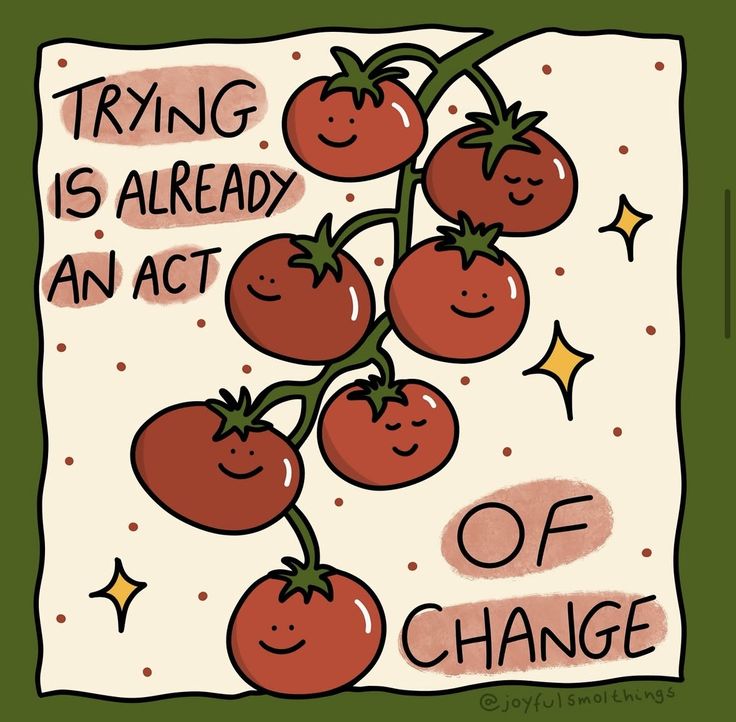
One Day, You Will Suddenly Be "Recovered"

Part One: Pain Itself Is a Way of Seeing
At the deepest point of pain, you don't "have" pain. You are the pain.
It isn't a coat you're wearing that you could take off and examine. It's the lens you're seeing the world through — a lens so total you don't even know you're wearing it. You think the sky outside is genuinely gray.
This is one of phenomenology's central insights: we don't first perceive the world and then feel an emotion about it. The emotion itself is the shape our perceiving takes.
So when you're in pain, morning light isn't "harsh" — it's "meaninglessly harsh." A friend's concern isn't "warm" — it's "they don't get it." Time doesn't "pass" — it crawls, thick and viscous, inch by inch.
This isn't you overthinking. This is pain, as a perceptual structure, quietly rearranging the furniture of your entire world without asking.
Part Two: There's No Ceremony on That Day
If you ask me what the day of recovery was like, I won't tell you there was some epiphany, some fireworks, some "and then it all made sense."
The truth is usually something closer to this:
One ordinary morning, you wake up like any other day, bracing out of habit for that familiar heaviness to arrive — and it just doesn't show up on time.
You almost panic a little. Lying there, you think: "That's strange... why doesn't it feel that bad today?"
Not quite believing it, you carefully poke at the thought — the one that used to be unbearable — like checking whether a wound has healed.
It's still there. But it no longer has a fist attached to it. It has become a fact, not a blow.
This is what freedom looks like when it first arrives — not a celebration, but a roll call with an absence. You keep counting the days, and you notice: the pain that used to show up every single day, didn't come in today.
Part Three: Freedom Isn't "No Wound." It's the Wound No Longer Speaking For You
Many people think recovery means the wound disappears. It doesn't.
Freedom, in the phenomenological sense, isn't the erasure of memory. It's memory moving to a different position.
Before, that thing used to stand between you and the world — everything you saw had to pass through it first.Now, it falls behind you, becomes the road you've walked, not the ground you're standing on.
You still remember it. But the way you remember has changed — before, you were dragged back into it; now, you turn around and look back at it. The first is passive imprisonment. The second is a choice. That reversal — from object acting on you, to subject looking at it — is the whole secret of freedom.
Part Four: Loving Life Starts with the World Becoming Specific Again
Pain makes the world go abstract — "nothing matters," "everything's the same."And the earliest signals of recovery are, almost embarrassingly, tiny:
- You suddenly crave a bowl of soup, scalding hot
- You notice the tree outside your window has bloomed this year
- You laugh at a song instead of crying to it
- You start caring what you wear when you leave the house
These aren't "small things." They are evidence that the world is becoming specific again. When a person starts having preferences — likes, dislikes, an "I want" — it means the self is reclaiming its own life, one detail at a time.
Loving life is never a grand decision. It's a thousand quiet returns of "today, I want."
Closing: For Anyone Still Waiting for That Day
If you're still in the middle of the pain right now, I'm not going to say "hang in there, you'll get better." You've heard that enough already.
What I want to say instead is: you don't need to "figure it out" before you can get better. Very often, getting better happens on some completely unremarkable morning, before you've had the chance to forgive, before you've made peace with anything, before you even feel "ready."
It doesn't need you to have it all figured out first. It just needs you — still here, still alive.
That day will come. It won't announce itself with fanfare. It will only, quietly, skip the roll call for pain that was supposed to show up.
And you'll suddenly realize — freedom, it turns out, has always come back this quietly.

